Specialized research compounds
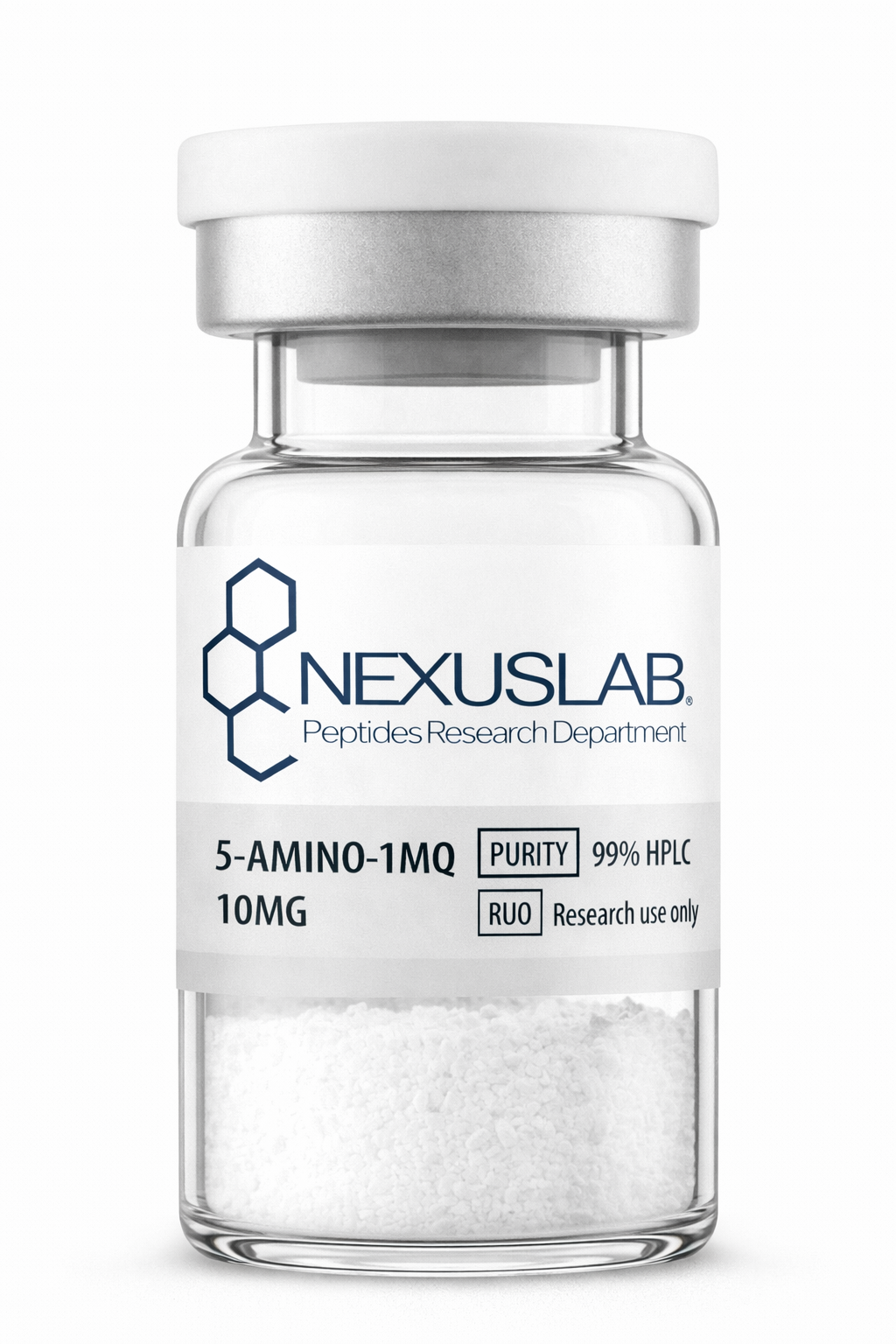
5-Amino-1MQ
Available documentary data and items still to verify are detailed below.
Price incl. VAT€52.00
AvailabilityAvailable
SKU5-Amino
Loading availability…
 0
0
Specialized research compounds
Available documentary data and items still to verify are detailed below.
Loading availability…
02 — Information to verify
5-Amino-1MQ is a small molecule studied as an inhibitor of nicotinamide N-methyltransferase (NNMT). This enzyme connects nicotinamide metabolism with the use of methyl donors. The compound is not a peptide.
Technical data
Catalog format: 10 mg. The listed formula and mass describe the 5-amino-1-methylquinolinium cation and exclude any counterion, such as iodide. The salt form of the material requires a separate specification.
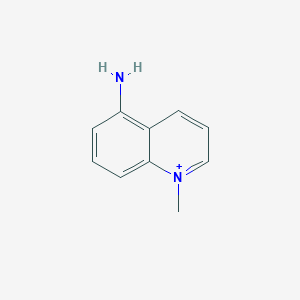
Reference molecular data.
The cited studies examine NNMT inhibition in enzyme assays, adipocyte cultures, and mouse models. Measured endpoints include 1-methylnicotinamide, lipid accumulation, and metabolic responses. Results depend on the model and do not establish clinical benefits of the product.
NNMT transfers a methyl group from S-adenosylmethionine (SAM) to nicotinamide, forming 1-methylnicotinamide. Inhibitor research measures enzyme activity, cell entry, and selectivity. Reduced 1-methylnicotinamide is a target-related readout, distinct from changes in weight or body composition.
In 3T3-L1 cultures, preadipocyte-to-adipocyte differentiation allows lipid accumulation and nicotinamide metabolism to be studied. Interpretation distinguishes cell number, maturation state, and lipid content per cell. NAD+ and SAM provide additional information about the metabolic state of the system.
Lipid synthesis, storage, and oxidation are separate processes. Experimental systems can distinguish them using lipid content, oxygen consumption, and metabolite measurements. PPAR pathways and lipogenesis factors provide biological context; without direct data, they cannot be listed as established 5-Amino-1MQ targets.
Adipose tissue produces leptin, adiponectin, and inflammatory mediators as well as storing energy. Background publications examine how these signals interact with metabolism and other tissues. They do not automatically establish that 5-Amino-1MQ changes each adipokine or has antitumour activity.
The 2018 NNMT-inhibitor study includes a high-fat-diet mouse model. Findings concern defined compounds, exposures, and experimental conditions.
Catalog of products presented for research activities. Not for human or veterinary use. This notice does not replace verification of applicable rules.